This article is part of ISN's continuing education series for our valued customers.
The Georgian era, which lasted from approximately 1714 to 1837, was a time of significant cultural and artistic development. In terms of style and fashion, the Georgian era saw a number of significant trends and influences, including the adoption of a more natural and unstructured approach to clothing, the popularization of new materials such as cotton and silk, and the development of new styles such as the Empire waistline and the Romantic movement.
In terms of art, the Georgian era was marked by a focus on classical motifs and subjects, as well as a fascination with the natural world and the Romantic movement. Many artists of the time were inspired by the ideals of the Enlightenment and sought to capture the beauty and majesty of the natural world in their works.
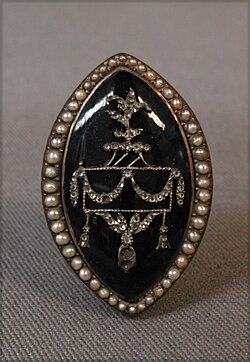
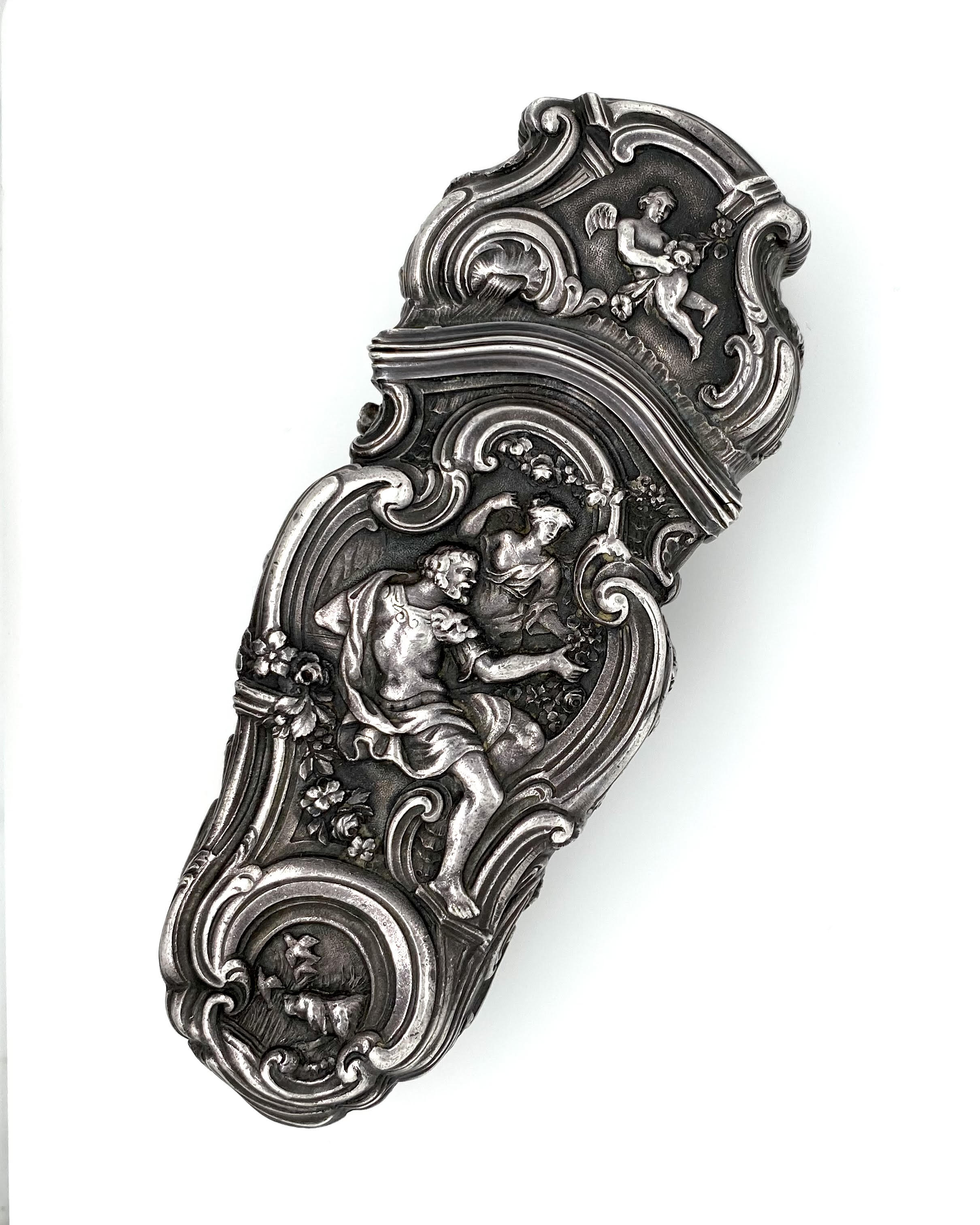
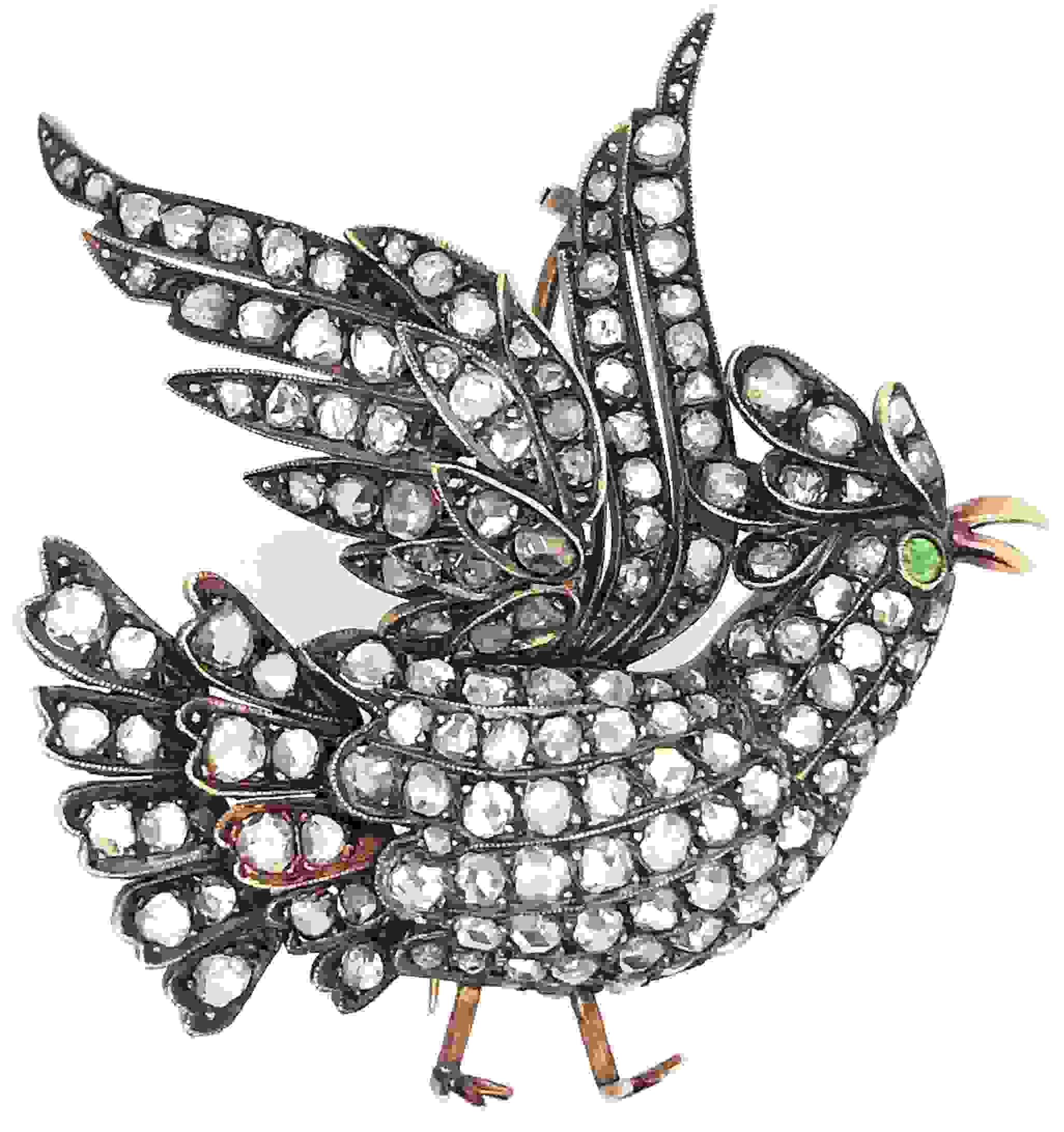
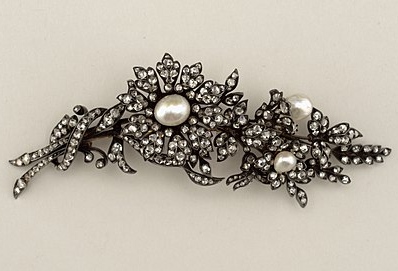
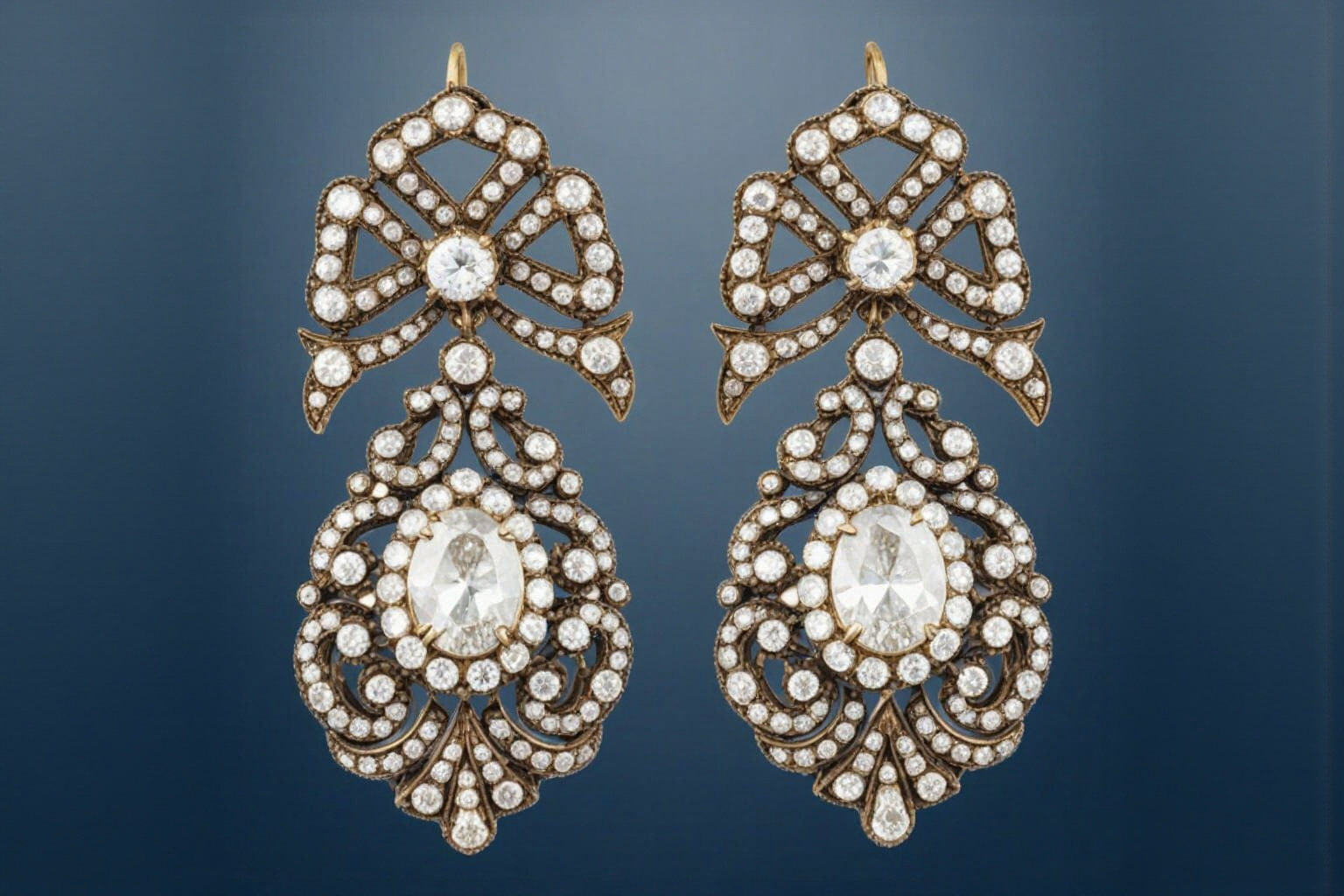
Jewelry was also an important aspect of fashion during the Georgian era, and many people wore elaborate and ornate pieces as a way of expressing their wealth and status. Diamonds, emeralds, and pearls were particularly popular, and jewelry was often set with a variety of precious stones. Gold and silver were also commonly used in the creation of Georgian jewelry, and many pieces featured intricate engravings and filigree work.