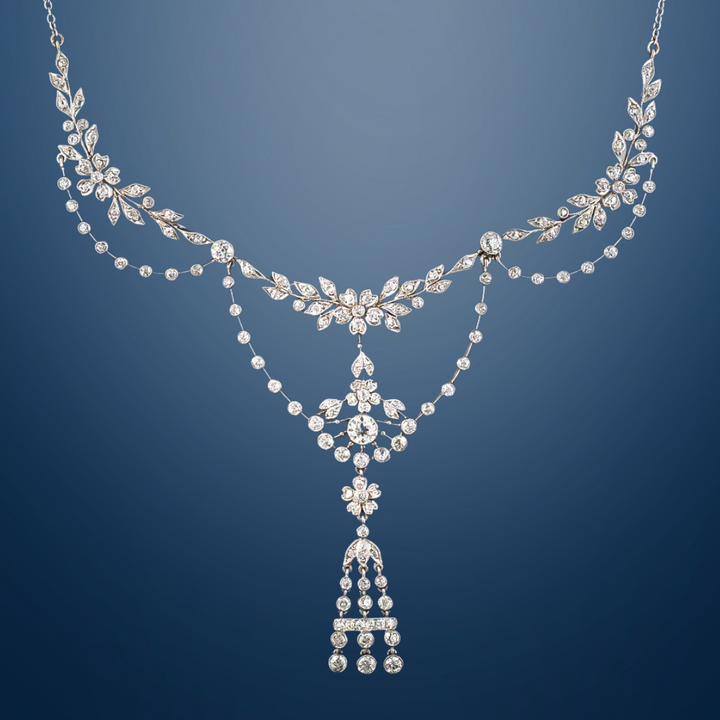
This article is part of ISN's continuing education series for our valued customers.
The Edwardian Era, named after King Edward VII of England, was a time of great wealth and luxury. It was marked by a love of lavish living, and jewelry played a significant role in the lifestyles of the wealthy upper class. The Edwardian period can be dated from the late years of Queen Victoria's reign to a few years after King Edward's death, when World War I began. This period was also known as La Belle Époque in Europe. King Edward was known for his love of pleasure and extravagance, and he surrounded himself with wealthy individuals who shared his love of the good life.
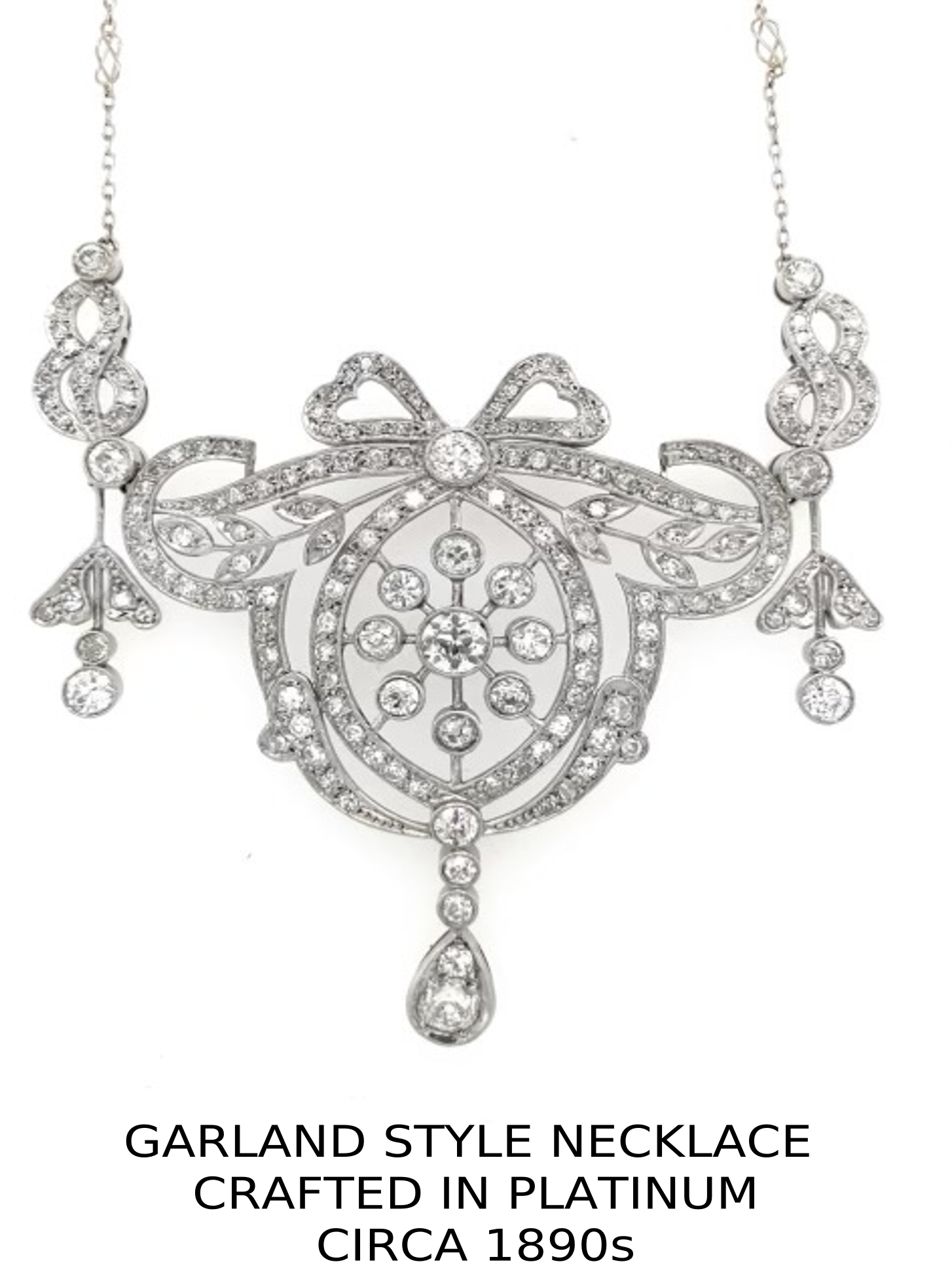
During the fin de siècle, or the end of the 19th century, there was a shift in fashion and design in jewelry. Large, showy pieces fell out of favor and were replaced by more delicate, ethereal styles. This new trend, known as the 'garland' style or style guirlande, was influenced by the fluid lines of Art Nouveau and the Arts and Crafts movement, but incorporated traditional motifs as well. This style of jewelry, known as Edwardian jewelry, was inspired by the ornate designs of the 18th century and the Court of Versailles. Designers such as Cartier looked to 17th and 18th century architecture for inspiration, and pattern books from the 18th century provided a wealth of motifs to draw from.
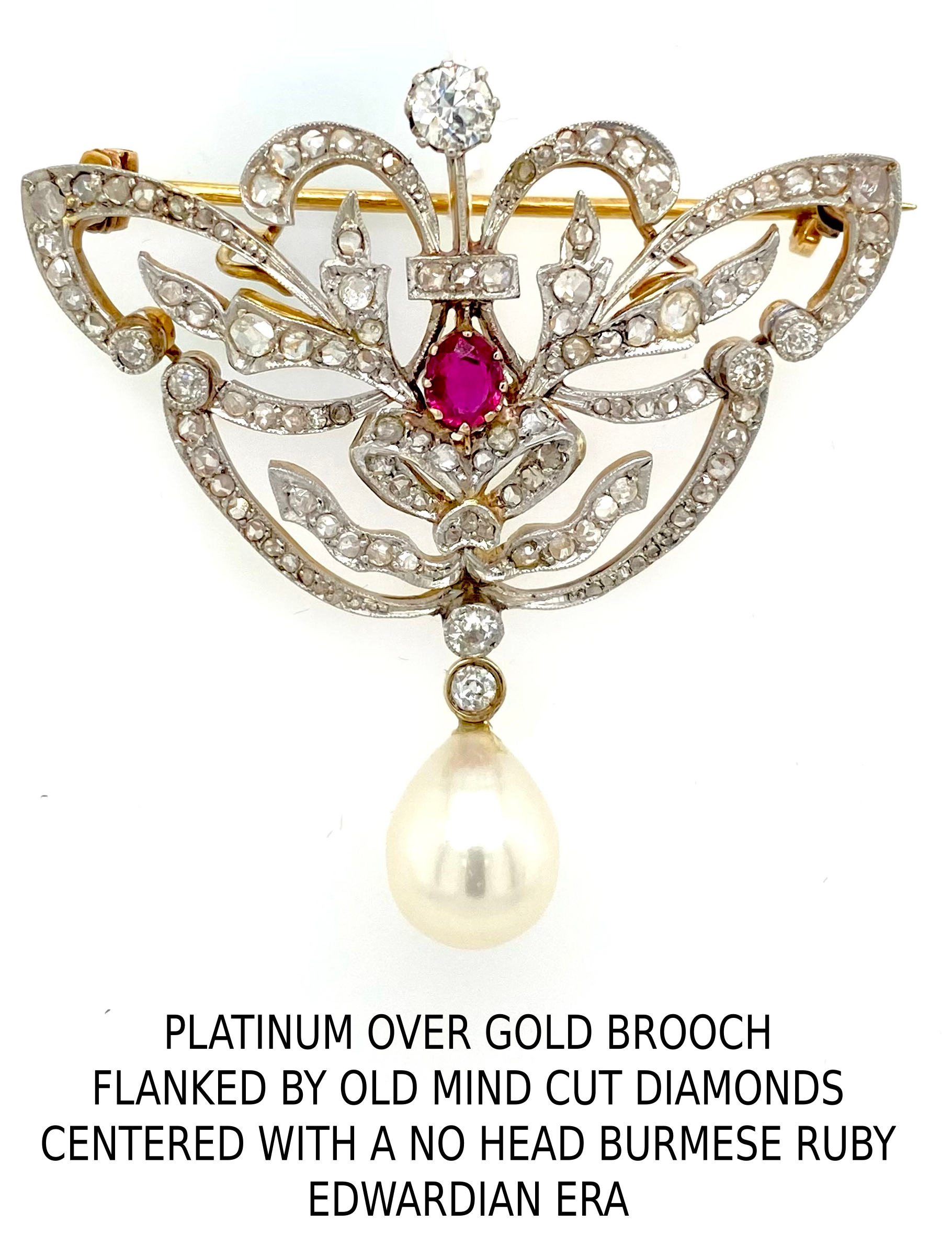
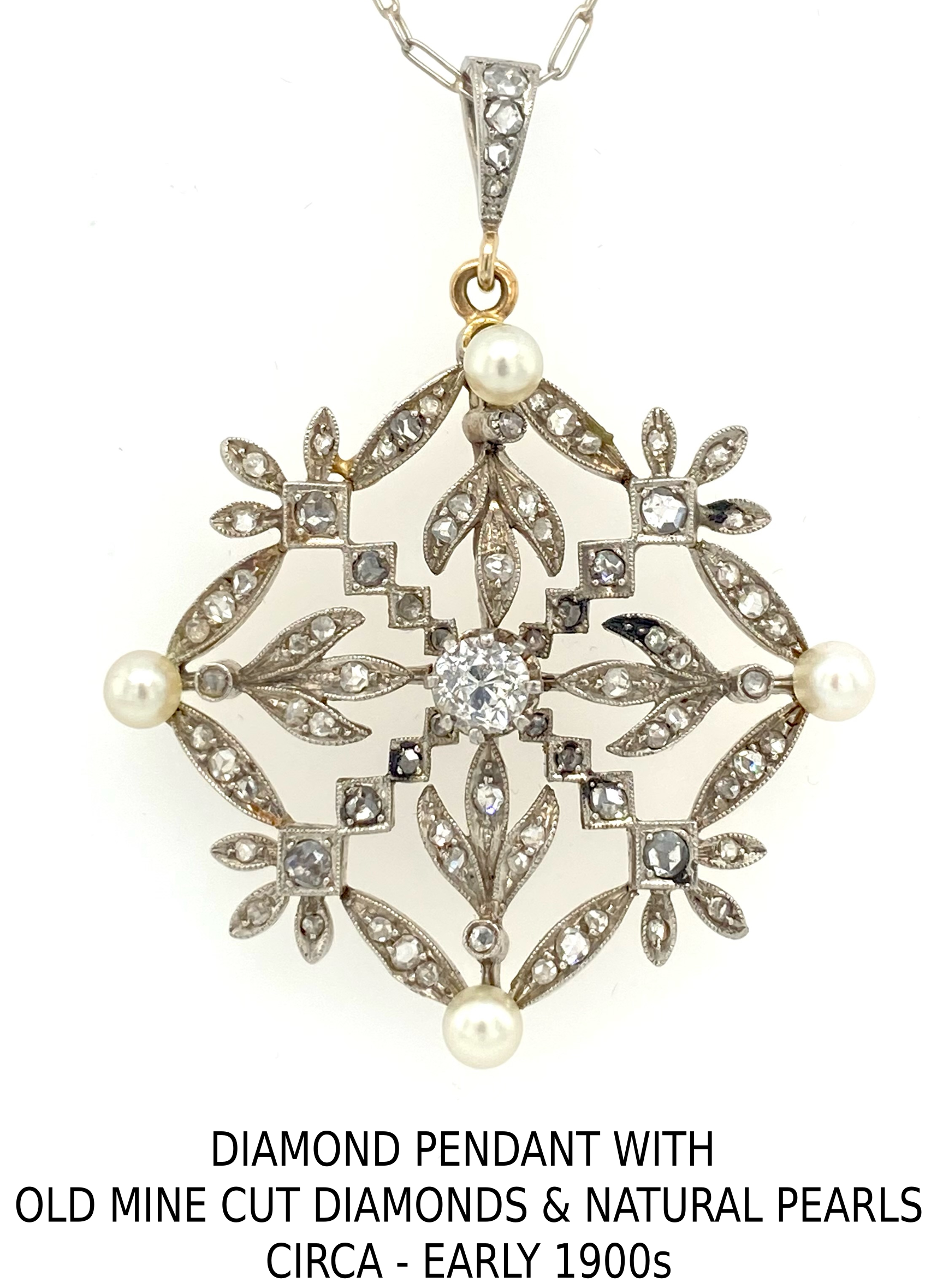
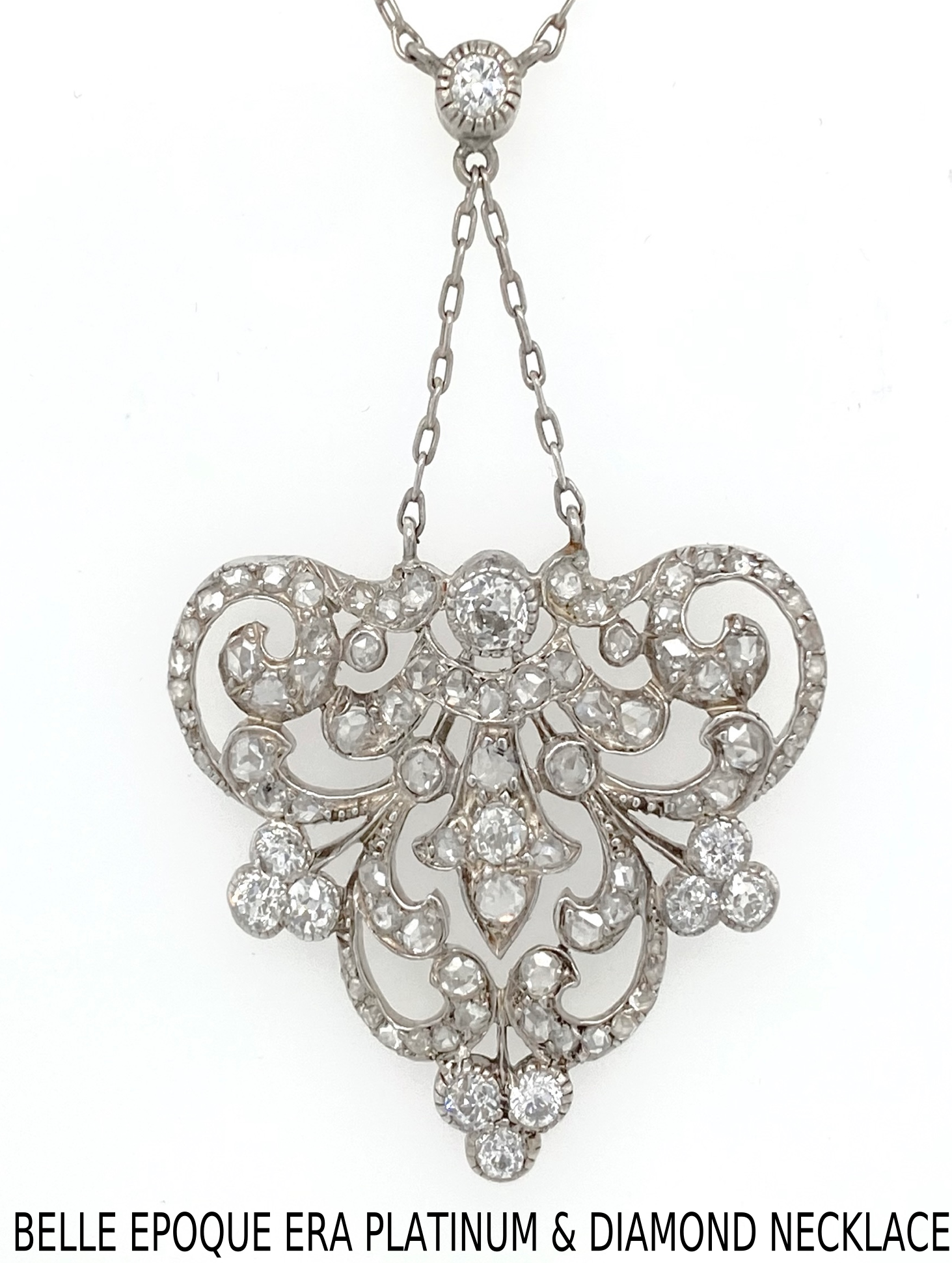
Jewelry was characterized by light, delicate designs featuring garlands, ribbons, wreaths, bow knots, tassels, and lace. This was made possible by the use of platinum, which allowed for the creation of strong, yet intricate and sophisticated pieces. The invention of the oxyacetylene torch in 1903 made it possible to work with platinum on its own, rather than backing it with gold. This allowed for the creation of jewelry with a petit point embroidery-like appearance and diamond-encrusted lace designs. Platinum also allowed for the use of a decorative technique called millegraining, which involved a border of small balls and ridges around a gemstone or on the edges of a design, giving the jewelry a softer, lighter look. The strength of platinum allowed for the use of minimalist settings for stones.
Earrings started off as simple diamond studs, but soon evolved into more delicate, openwork designs that better suited the fashions of the time. These earrings often featured long, glittering chains with miniature garland-style wreaths and articulated center stones. In addition, there were also lightweight, gossamer earrings with delicate dangles, all suspended from decorated ear hooks, which took on a variety of shapes. These earrings incorporated many of the characteristic elements of Edwardian jewelry, including platinum openwork, diamonds, and millegraining. Designed to move and sway with the lighter, flowing garments of the period, Edwardian earrings became an iconic and enduring feature of the era.