This article is part of ISN's continuing education series for our valued customers.
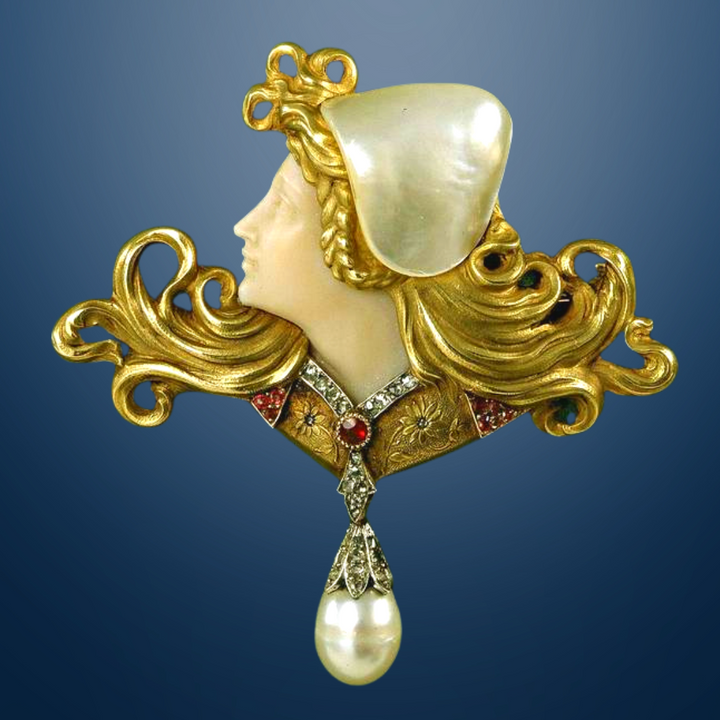
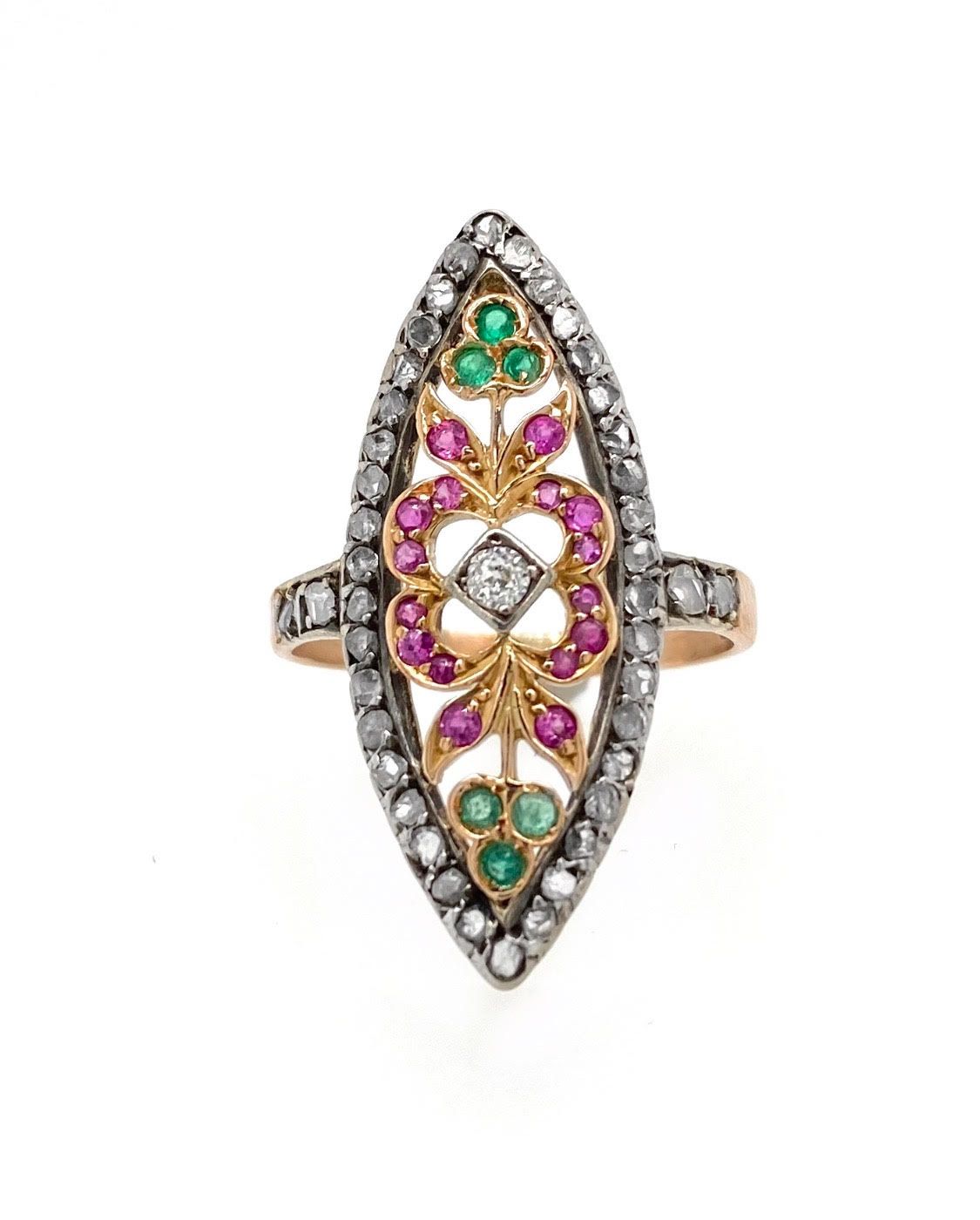
Art Nouveau was a decorative art style that emerged in the late 19th century and was characterized by its use of the free-flowing line and incorporation of natural forms into design. The movement was influenced by the reopening of trade routes with the East, which brought Japanese art and design to the attention of Western artists, and the Arts and Crafts movement in England, which emphasized the incorporation of art into everyday objects and encouraged self-expression. Art Nouveau jewelers used a variety of materials, both new and old, in their work, including gold and silver, gemstones, horn, bone, and ivory, and enamel techniques like plique-à-jour and champlevé.
The Victorians, other than in a mythological rendering or as a cameo or intaglio, had considered the decorative use of the female figure and face, objectionable. Art Nouveau jewelers, however, now reveled in the idea that the female form could be combined with elements from the natural world such as butterfly wings, and the resultant fantasy creature could soar with color and sensuality. These feminine fantasies appeared on diadems, brooches, bracelets, and rings. Once the bonds of Victorianism were overcome, a “cult of the female figure” ruled the design world. Changing roles for women in society inspired artisans. The beauty and accomplishments of great actresses and opera singers not only provided jewelers with inspiration but, by wearing these fresh new flamboyant jewels themselves, they helped propel the aesthetic into the new century.
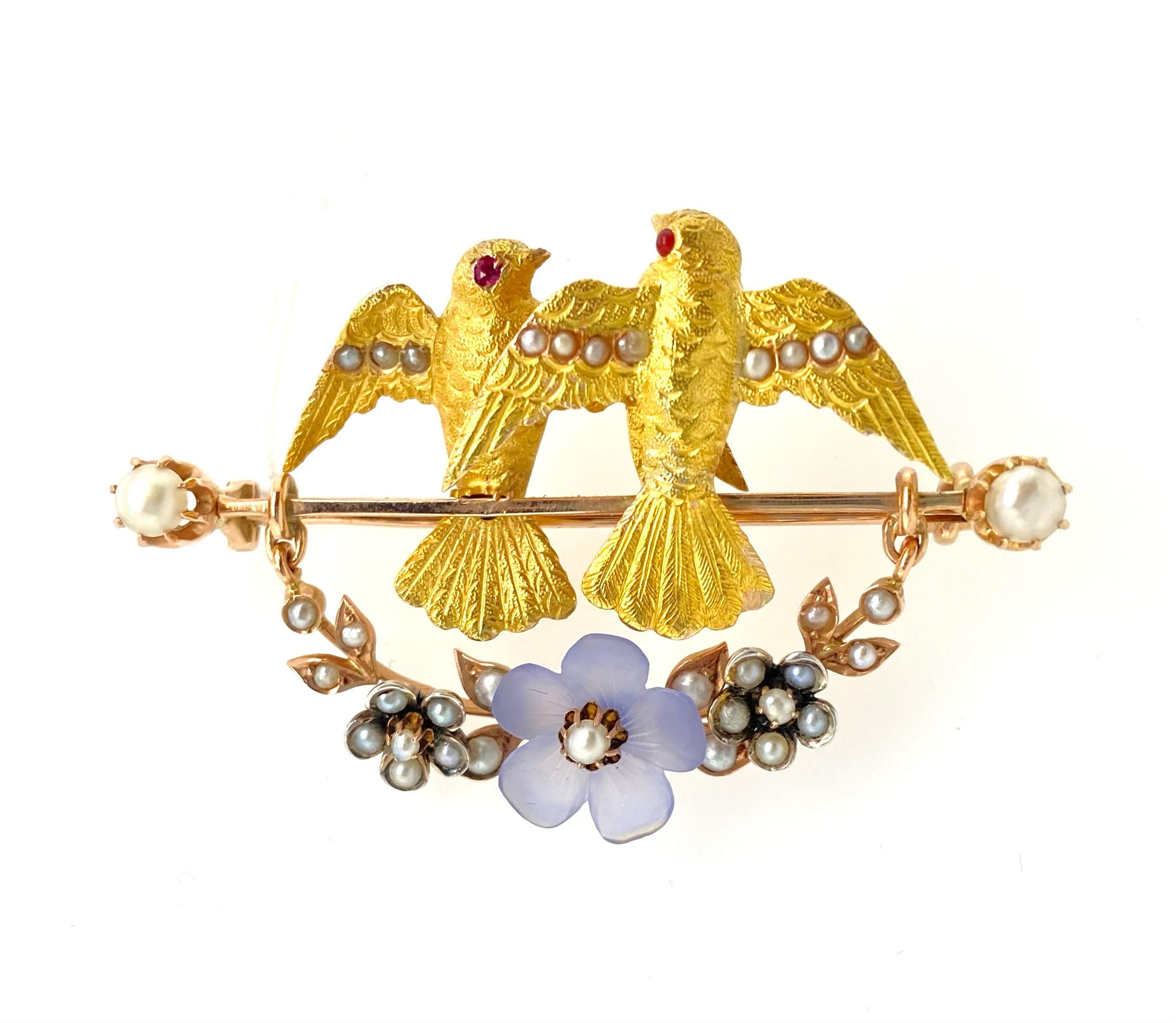
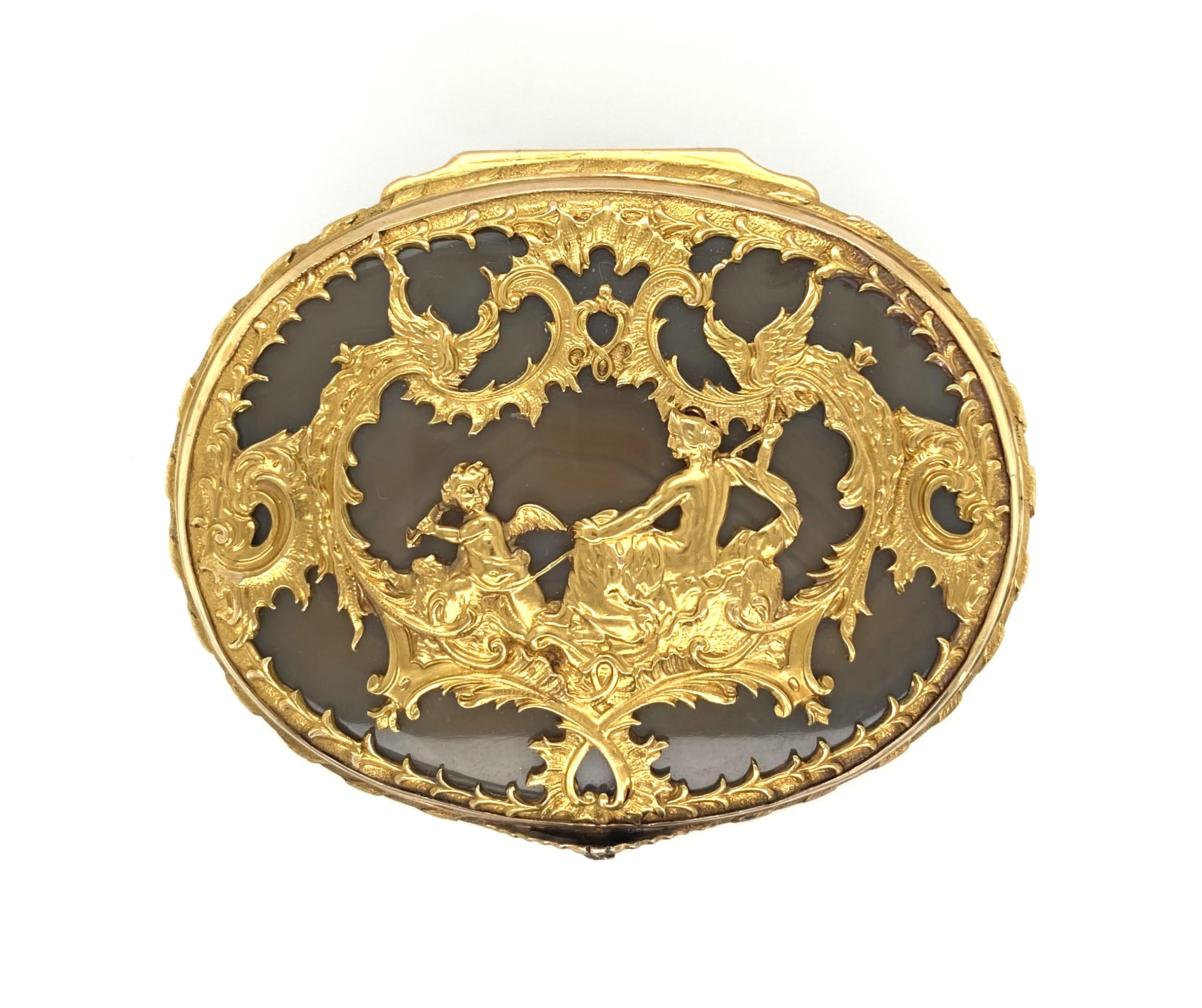
During this period, major jewelry houses each approached the movement in their own way. Some, like Boucheron, created large pieces with high-quality stones that incorporated elements of both the Art Nouveau and Edwardian styles. Others, like Chaumet, Coulon, and Cartier, focused more on producing Edwardian jewelry with some Art Nouveau influence. French Art Nouveau jewelry was known for its technical excellence, particularly in the use of enamel. Enamelists often worked freelance, providing their specialized skills to various jewelers. Many jewelry houses outsourced different aspects of the jewelry-making process to workshops that specialized in a particular technique.
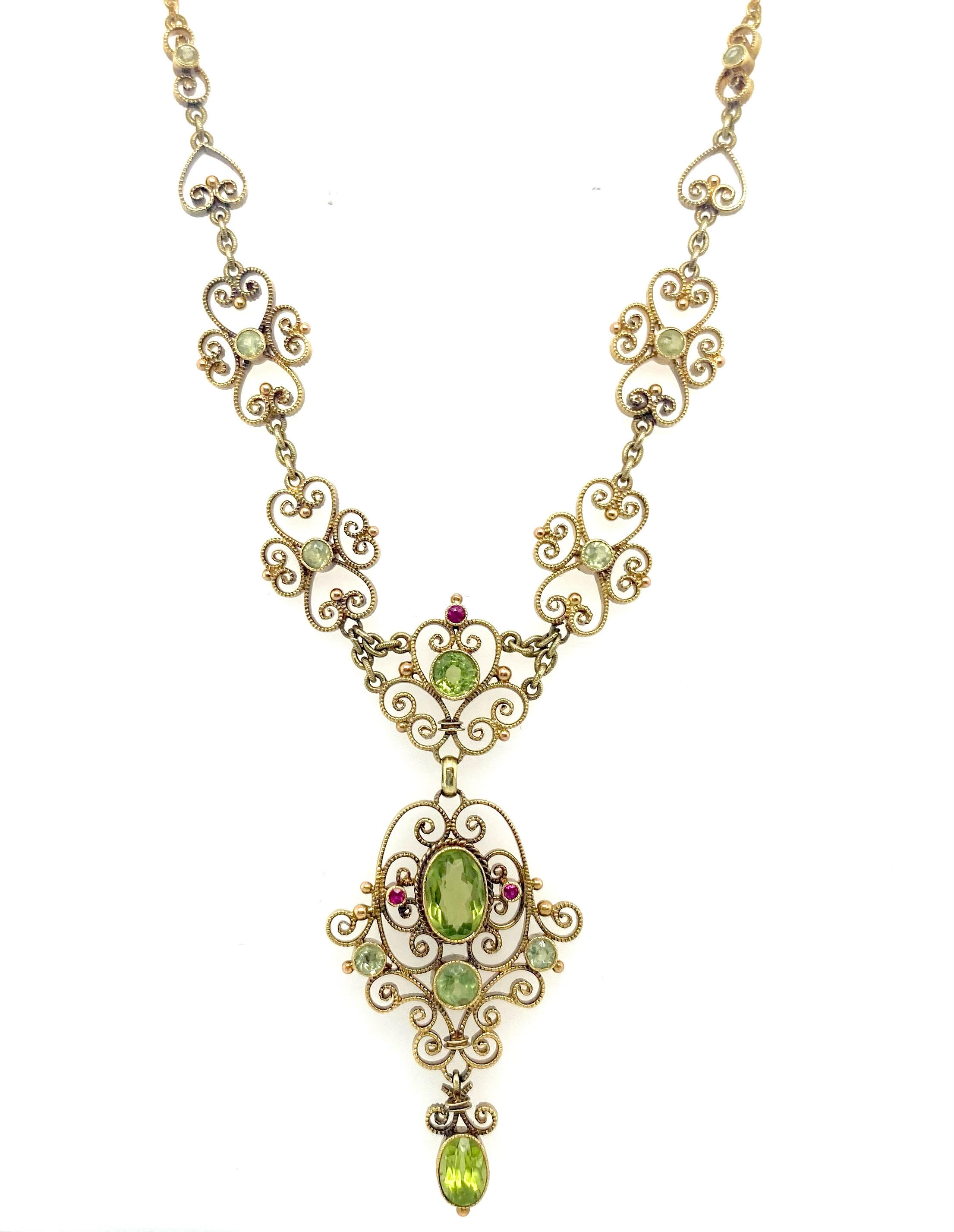
In order to make Art Nouveau jewelry more accessible to the general public, mass production of small medals became popular. These medals, which were often based on themes from ancient civilizations, nature, and religion, were inexpensive to produce and came in a variety of forms such as brooches, pendants, buttons, stickpins, cuff links, and charms. Because they were produced in large quantities, many of these medals still exist today.