This article is part of ISN's continuing education series for our valued customers.
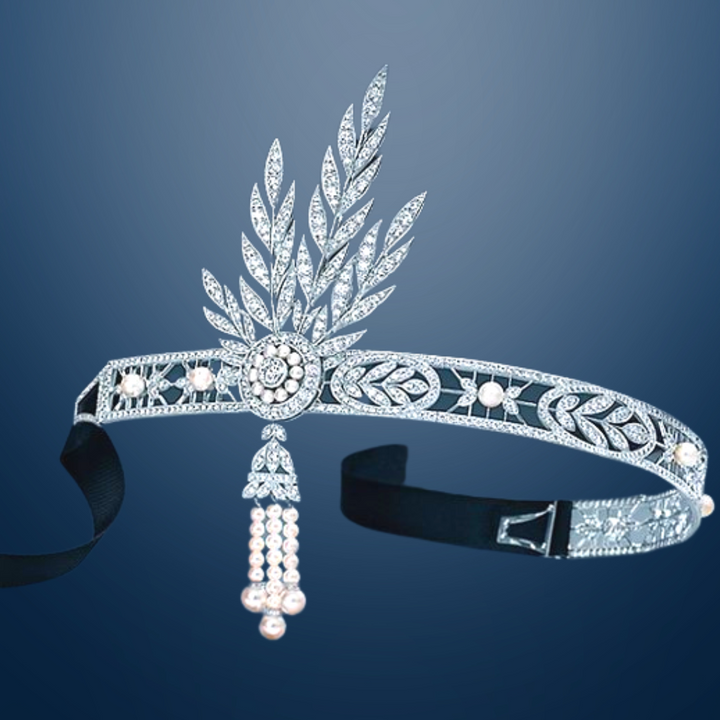
Art Deco jewelry was a style that emerged in the 1920s and was influenced by a wide range of artistic styles and cultural influences. It was characterized by the use of angles, geometric lines, and figurative representations, and it often drew inspiration from ancient civilizations such as Egypt and the Far East. There were two major schools of jewelry design during this period: bijoutiers-artistes, who emphasized design over intrinsic value and often collaborated with artists from other disciplines, and bijoutiers-joailliers, who focused on the intrinsic value of the materials used and were influenced by the Far East.
Art Deco jewelry was influenced by Indian, Islamic, Persian, Chinese, Pre-Columbian, and African tribal art. Indian jewelry, with its carved gemstones and vibrant colors, was particularly influential on Art Deco design. Motifs from Islamic art, such as stylized forms and colorful accents, were also incorporated into Art Deco jewelry, as were Persian motifs like flowers, plants, and arabesques rendered in luxurious materials such as emerald, sapphire, jade, and lapis lazuli. Chinese dragons, architectural motifs, and Oriental coral, pearls, and jade were also popular in Art Deco designs. Pre-Columbian motifs from Central America and African tribal art, often depicted as masks and ebony heads, also had an impact on the aesthetics of Art Deco jewelry.
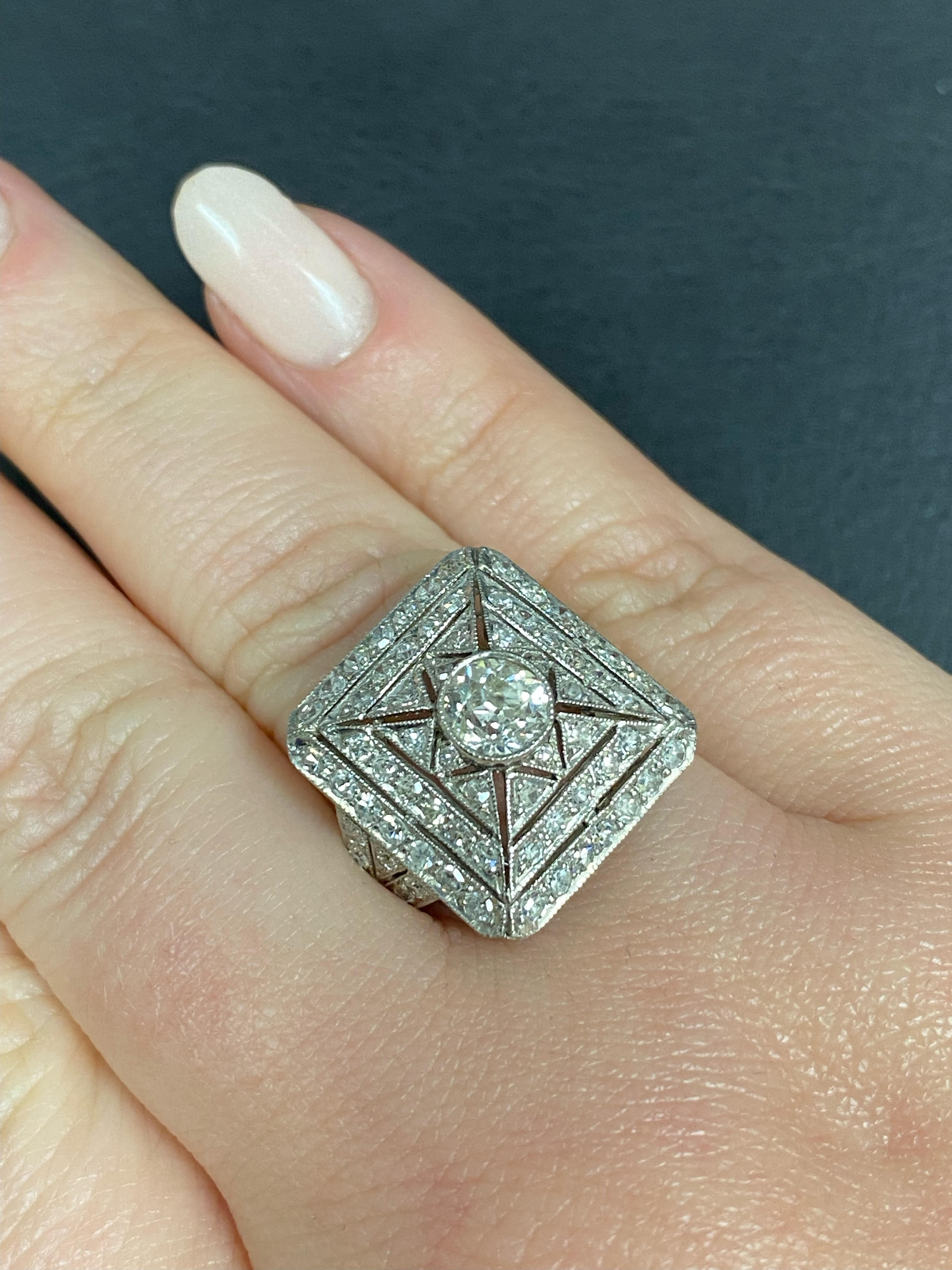
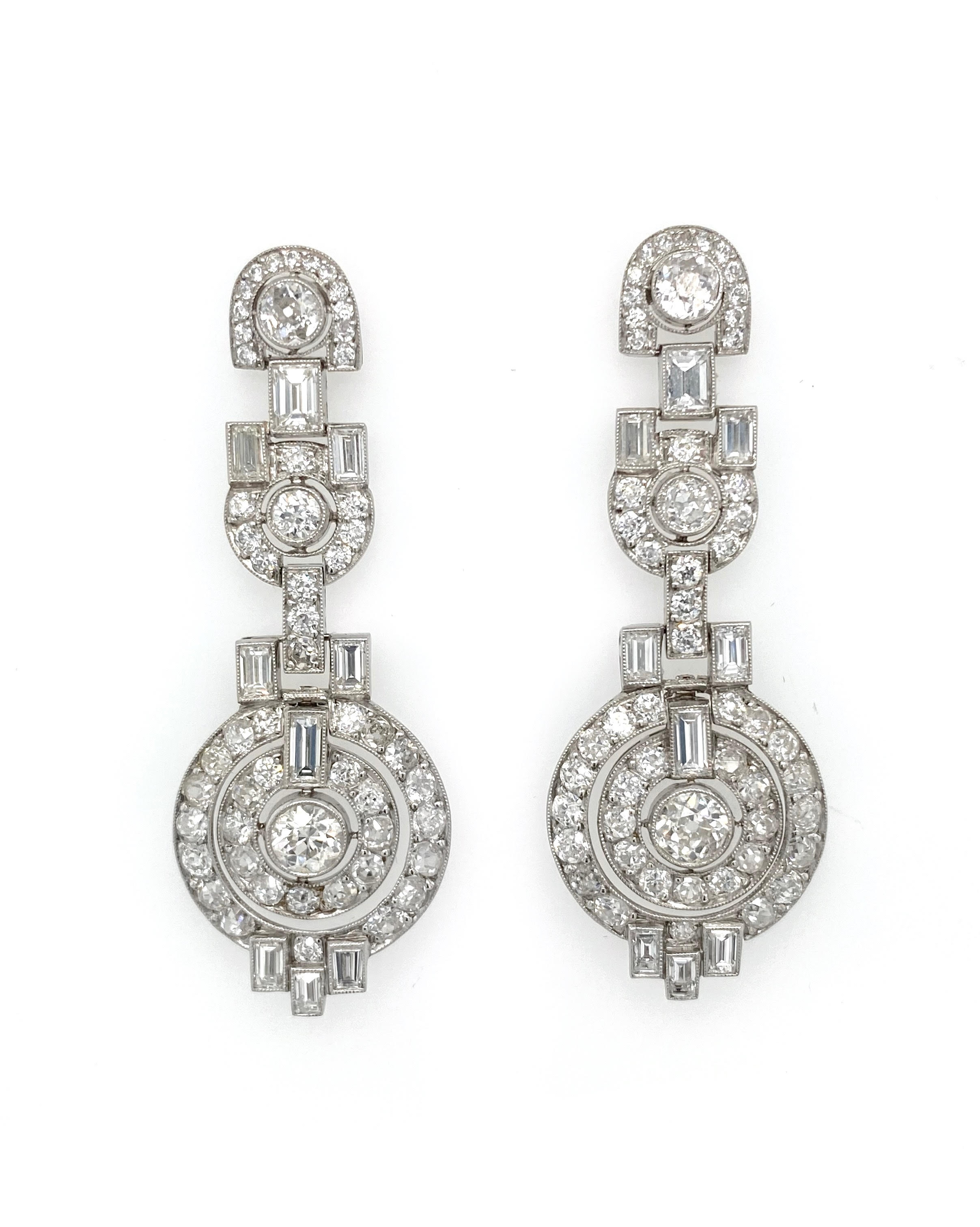
During the Art Deco era, bijoutiers-artistes used gemstones in a sculptural way, carving them into geometric shapes and using diamonds and other faceted gems as accents rather than the main focus. They often worked with artists from other disciplines to share ideas and designs and draw inspiration from a wide range of sources. Bijoutiers-joailliers, on the other hand, used calibrated-cut precious gemstones to accent and enhance their geometric designs and incorporated unusual diamond cuts into their repertoire. They were also influenced by the Far East, incorporating carved gems from India into their jewelry and mixing precious stones with materials such as coral, rock crystal quartz, lapis lazuli, agate, and turquoise.
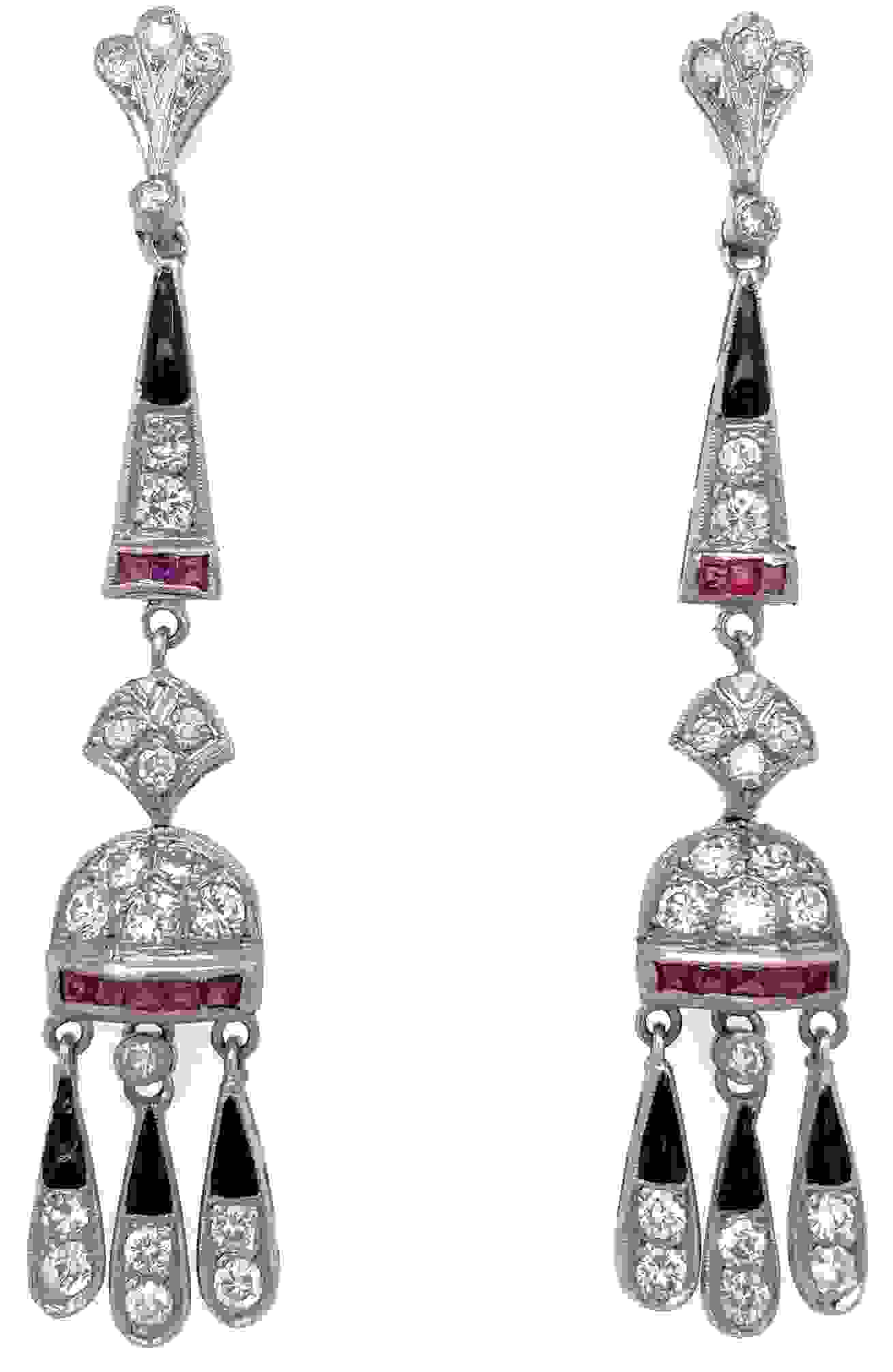
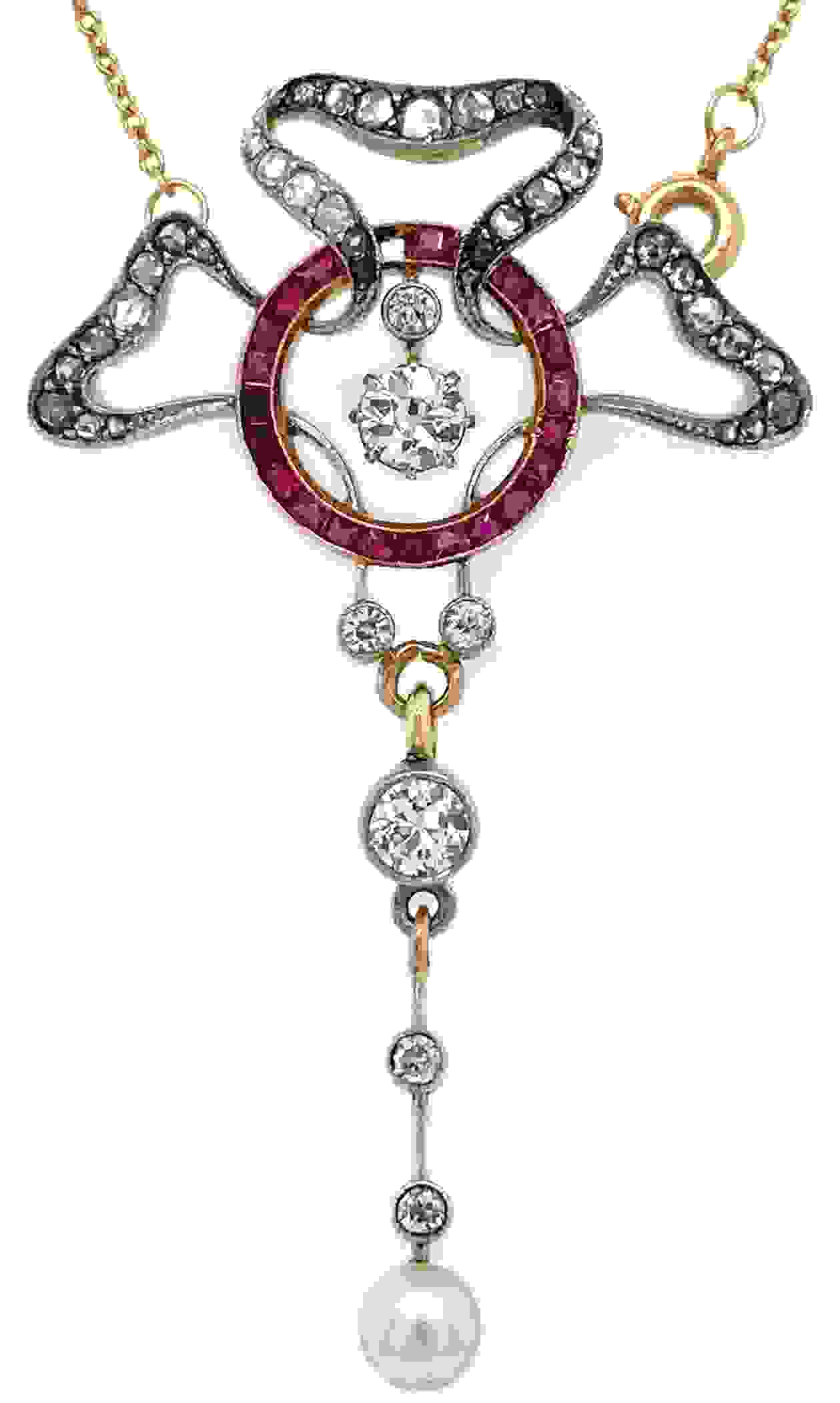
During the 1930s, the jewelry industry continued to thrive and underwent a transformation, with large brooches, voluminous ear clips, and wide bracelets made entirely of diamonds becoming popular. Monochromatic pieces featuring a variety of diamond cuts were the norm, but color was still used to outline or provide a framework for the diamonds. Convertible jewelry was a notable feature of Art Deco pieces, with double clips that could be worn separately as dress clips or together as a larger brooch, bandeaus that could be separated into matching bracelets, necklaces, and brooches, and earrings with detachable elements that could be worn during the day or night. Each of the bijoutiers-joailliers had their own unique approach to incorporating the design influences of the time into their jewelry. Cartier incorporated elements from the Far East, India, and Persia into their reinterpreted garland style, using carved beads from India and mother-of-pearl plaques from China as well as carved rubies, sapphires, and emeralds in their designs. Mellerio leaned towards an Oriental influence, using carved gems in their creations. Mauboussin used enamels and colored gems to provide contrast to fields of diamonds and often enclosed their designs in a circular or oval shape. Van Cleef & Arpels took a more Egyptian-influenced approach, using pharaonic motifs extensively in their designs.