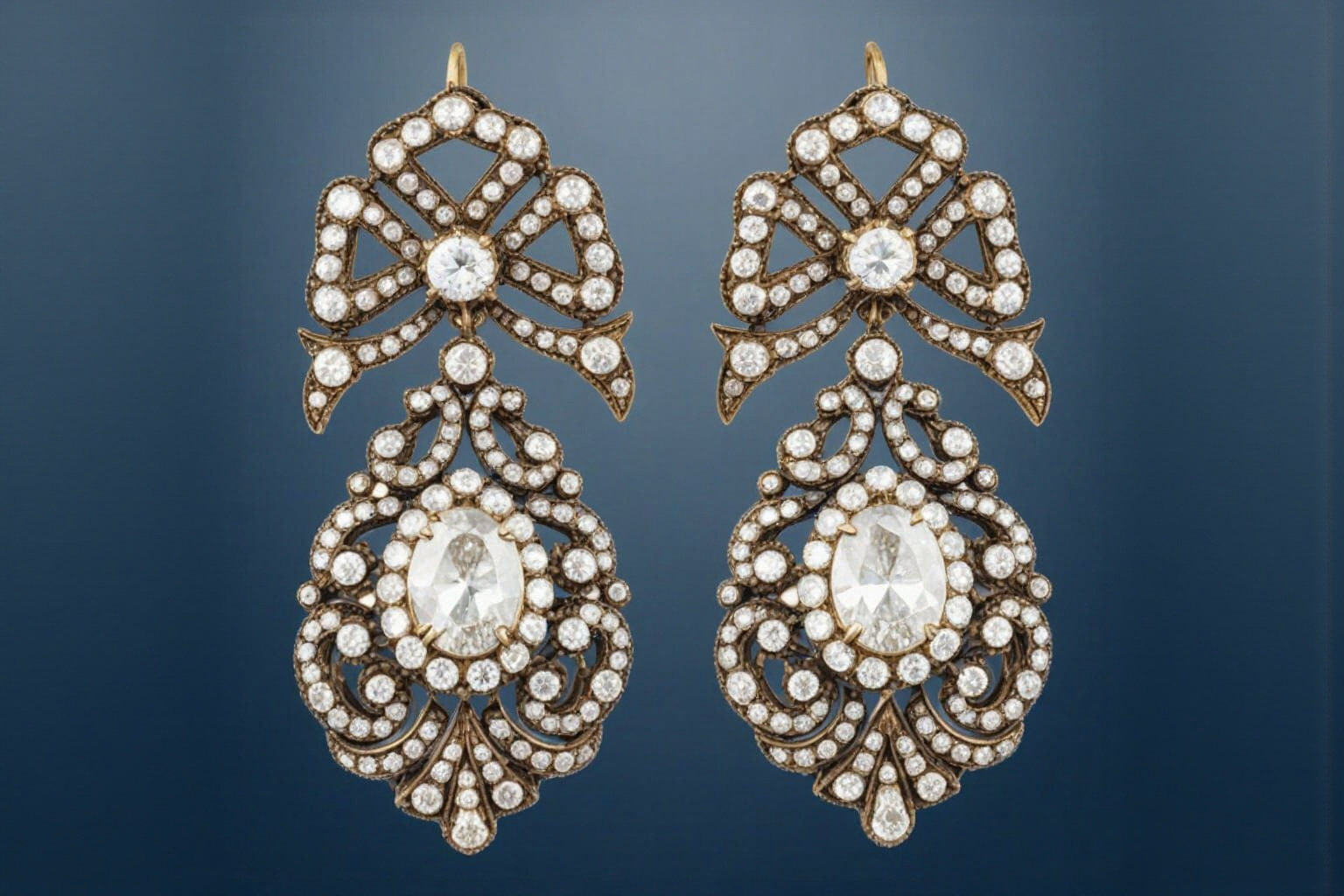
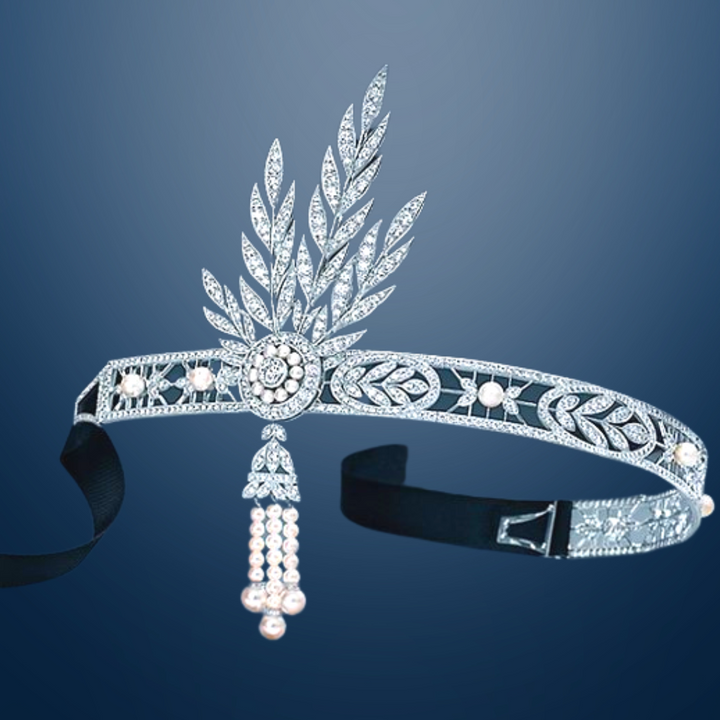
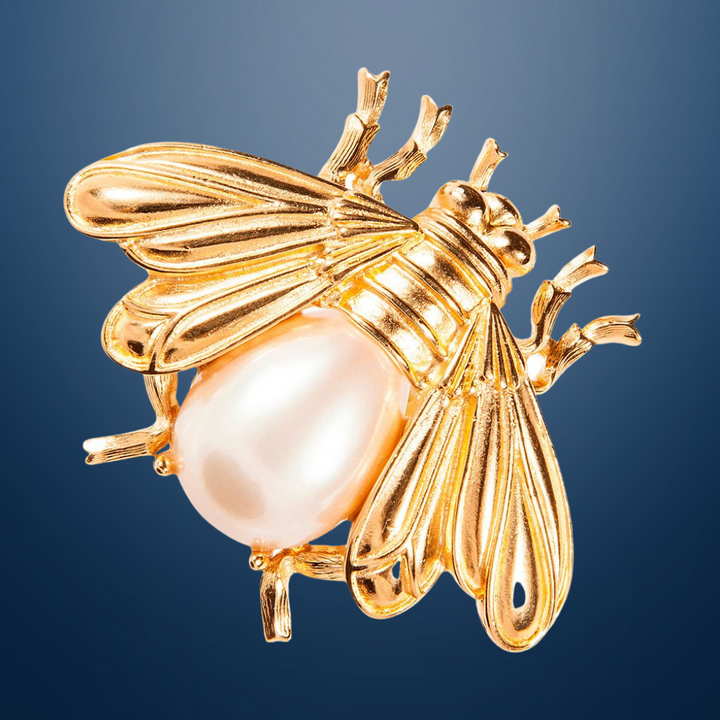
The Victorian era, named after Queen Victoria who ruled the United Kingdom from 1837 to 1901, was a time of great change and innovation in many areas, including fashion, art, and jewelry. In terms of fashion and style, the Victorian era was characterized by the use of heavy fabrics, such as velvets and brocades, and a focus on formality and modesty. Women's clothing featured long, flowing skirts, high necklines, and sleeves that extended to the wrists, while men's clothing was more subdued, with
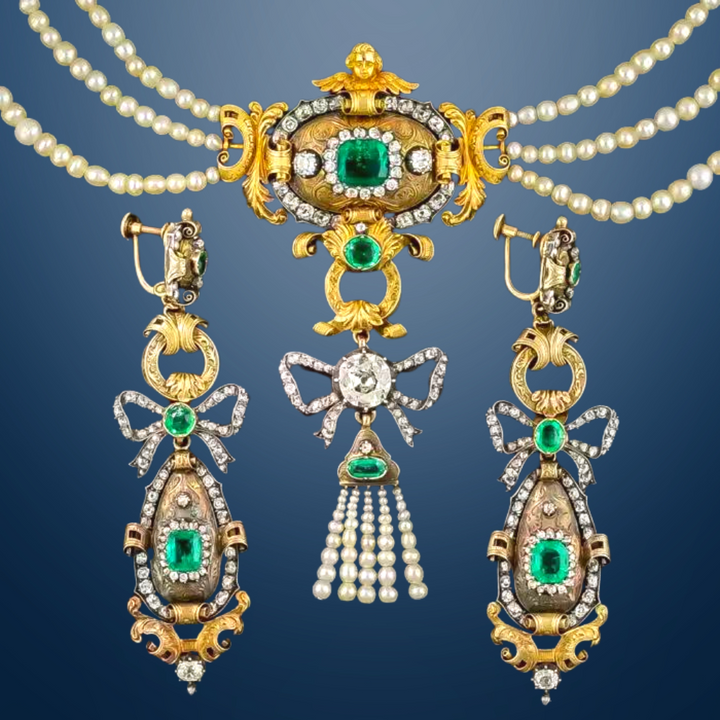
The Georgian era, which lasted from approximately 1714 to 1837, was a time of significant cultural and artistic development. In terms of style and fashion, the Georgian era saw a number of significant trends and influences, including the adoption of a more natural and unstructured approach to clothing, the popularization of new materials such as cotton and silk, and the development of new styles such as the Empire waistline and the Romantic movement.
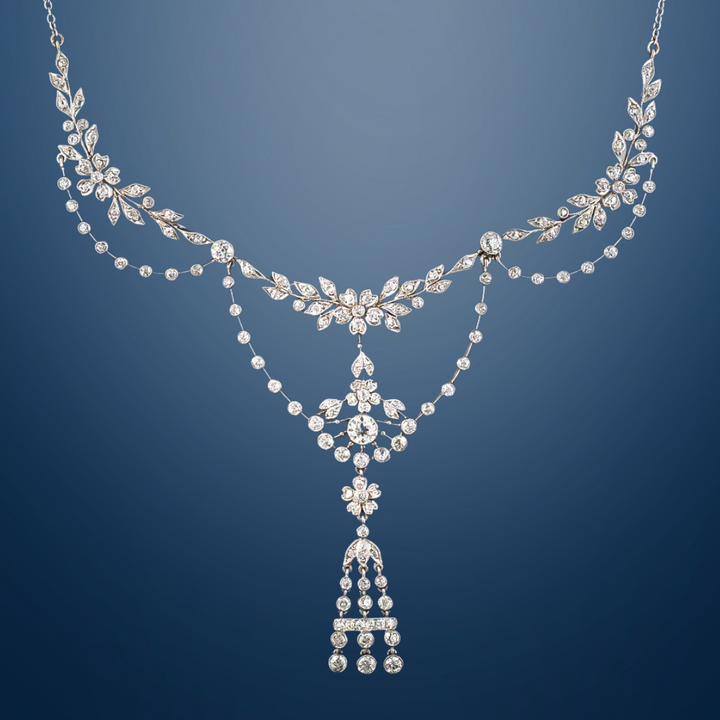
The Edwardian Era, named after King Edward VII of England, was a time of great wealth and luxury. It was marked by a love of lavish living, and jewelry played a significant role in the lifestyles of the wealthy upper class. The Edwardian period can be dated from the late years of Queen Victoria's reign to a few years after King Edward's death, when World War I began. This period was also known as La Belle Époque in Europe. King Edward was known for his love of pleasure and extravagance, and he
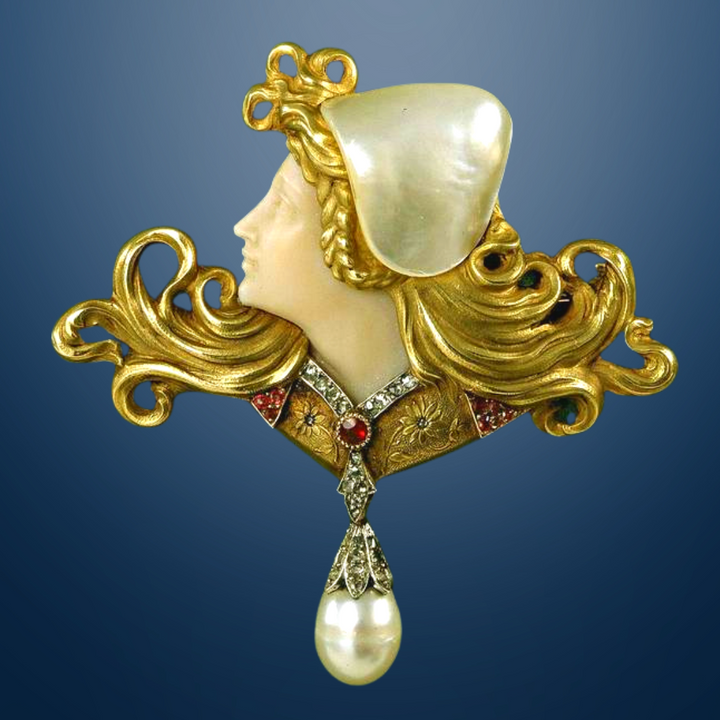
Art Nouveau was a decorative art style that emerged in the late 19th century and was characterized by its use of the free-flowing line and incorporation of natural forms into design. The movement was influenced by the reopening of trade routes with the East, which brought Japanese art and design to the attention of Western artists, and the Arts and Crafts movement in England, which emphasized the incorporation of art into everyday objects and encouraged self-expression. Art Nouveau jewelers us
Art Deco jewelry was a style that emerged in the 1920s and was influenced by a wide range of artistic styles and cultural influences. It was characterized by the use of angles, geometric lines, and figurative representations, and it often drew inspiration from ancient civilizations such as Egypt and the Far East. There were two major schools of jewelry design during this period: bijoutiers-artistes, who emphasized design over intrinsic value and often collaborated with artists from other discip
The jewelry of the late 1930s and 1940s, known as Art Retro, was characterized by a shift away from the geometric aesthetic of Art Deco. Technical innovations such as Van Cleef & Arpels' invisible setting technique allowed for intricate designs with a lightweight feel, and convertible jewelry, such as necklaces that could be transformed into bracelets or earrings, was also popular. The onset of World War II disrupted the jewelry industry, leading to the use of synthetic and faux gemstones and lo